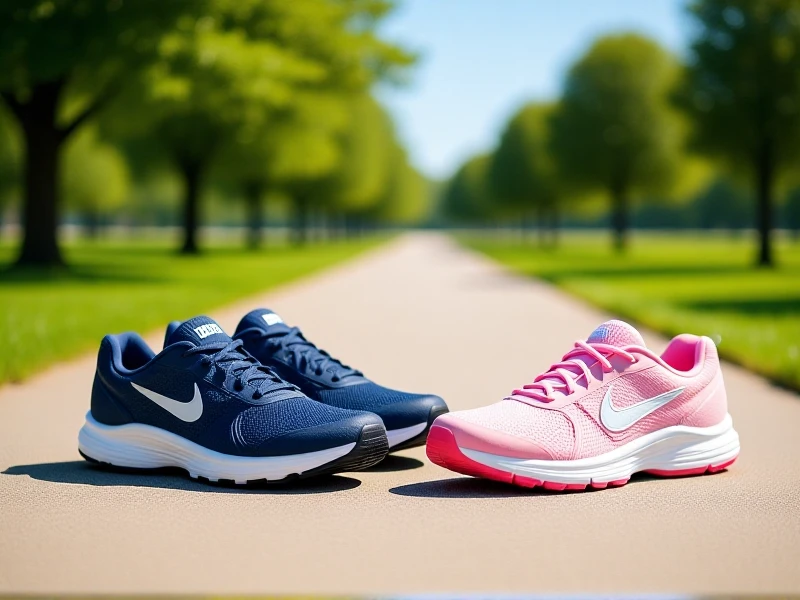
Finding Your Perfect Pair: A Guide to Men's Running Shoes
Selecting the right Men's Running Shoes is crucial for performance, comfort, and injury prevention. Your footwear impacts every mile, whether training for a marathon or enjoying a daily jog. Here's what matters:
1. Fit & Comfort:
Never compromise on fit. Look for a thumb's width of space at the toe to prevent blisters and black toenails. Breathable mesh uppers enhance airflow, while seamless designs reduce irritation. Remember: Sizes vary between brands—always try before you buy.
2. Cushioning Technology:
Your weight and running style dictate cushioning needs. Heavier runners or those favoring road miles benefit from maximal cushioning (e.g., Brooks Ghost, Hoka Clifton). Lightweight racers may prefer responsive foams like Nike ZoomX or Adidas Lightstrike Pro for energy return.
3. Stability & Support:
Overpronators need stability features like medial posts or guide rails (check Saucony Guide or Asics GT-2000). Neutral runners enjoy greater flexibility—models like New Balance Fresh Foam 880 offer balanced support without rigidity.
4. Terrain-Specific Designs:
- Road Shoes: Prioritize cushioning; flexible soles adapt to pavement.
- Trail Shoes: Features like aggressive lugs (Salomon Speedcross) and rock plates protect feet on uneven terrain.
- Cross-Trainers: Versatile for gym-to-track transitions, offering lateral support.
Pro Tip: Replace shoes every 300–500 miles. Worn midsoles lose shock absorption, increasing injury risk. Rotate two pairs to extend longevity and adapt to different training runs.
Why Invest Smartly?
Quality Men's Running Shoes optimize stride efficiency, reduce joint stress, and transform runs from grueling to exhilarating. Analyze your gait at a specialty store, prioritize function over trends, and remember: the best shoe disappears beneath your feet, letting you focus solely on the run. Ready to conquer new distances? Your journey starts with the right foundation—lace up and chase your next PR. Every stride counts.