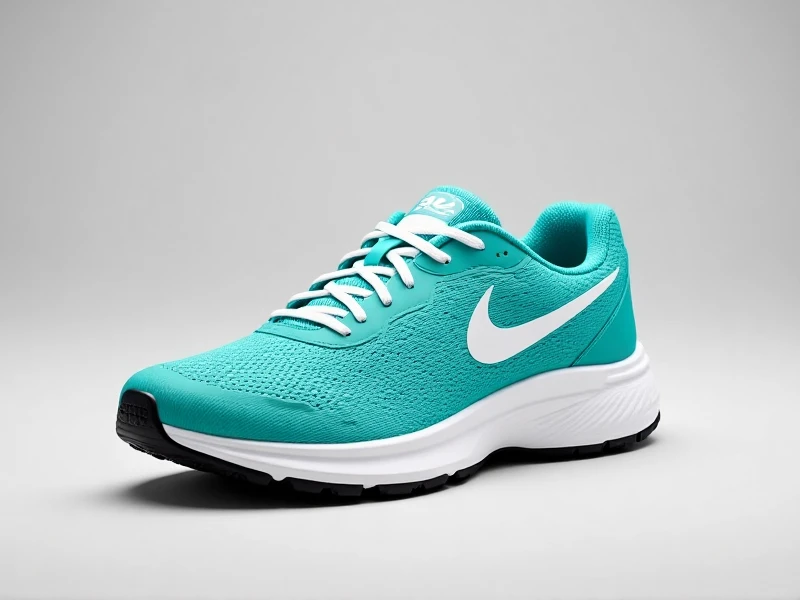
The Ultimate Guide to Men's Running Shoes for Optimal Performance
Finding the perfect pair of running shoes is essential for any man aiming to boost endurance, prevent injuries, and enjoy every stride. Men's running shoes are not just about style—they're designed to provide the support, cushioning, and stability needed for varied terrains and running styles. Whether you're a beginner hitting the pavement or a seasoned marathoner, this guide helps you navigate the key features, top brands, and practical tips to choose wisely.
The first step in selecting men's running shoes is understanding your running habits. Consider the terrain: for road running, look for lightweight designs with responsive cushioning to absorb impact on hard surfaces. Popular models include the Nike Air Zoom Pegasus, which offers springy comfort for daily miles, and the Adidas Ultraboost, known for its energy-returning boost foam. On trails, opt for rugged soles with deep lugs for grip, like the Salomon Speedcross or Hoka One One Speedgoat, both providing excellent stability on uneven ground. If you're into track workouts, shoes like the Brooks Hyperion Tempo deliver speed with minimal bulk.
Next, focus on fit and support to avoid common issues like blisters or shin splints. Fit is critical, so measure both feet in the afternoon when they're slightly swollen. Aim for a thumb's width of space at the toes to allow natural swelling during runs. For arch support, identify your pronation type. Overpronators (flat feet) benefit from structured shoes such as the ASICS Gel-Kayano with medial posts for reinforcement, while neutral runners can explore versatile options like the New Balance Fresh Foam X, combining plush cushioning with flexibility. Material durability matters too—breathable mesh uppers in shoes like the Saucony Kinvara keep feet cool and dry during long sessions.
Comfort and longevity hinge on cushioning innovations. Brands invest heavily in technologies like foam air pockets in the Reebok Floatride or gel inserts in ASICS variants for shock absorption. Remember, replace your men's running shoes every 300-500 miles as worn-out cushioning increases injury risk. Don't overlook style preferences; models come in a range of colors, from understated neutrals to vibrant hues, ensuring they suit any runner's personal taste.
In summary, investing in the right men's running shoes enhances your performance and makes running more enjoyable. Explore top-rated options based on your needs and always prioritize fit over trends. Lace up, hit the trails, and experience the difference quality footwear can make!