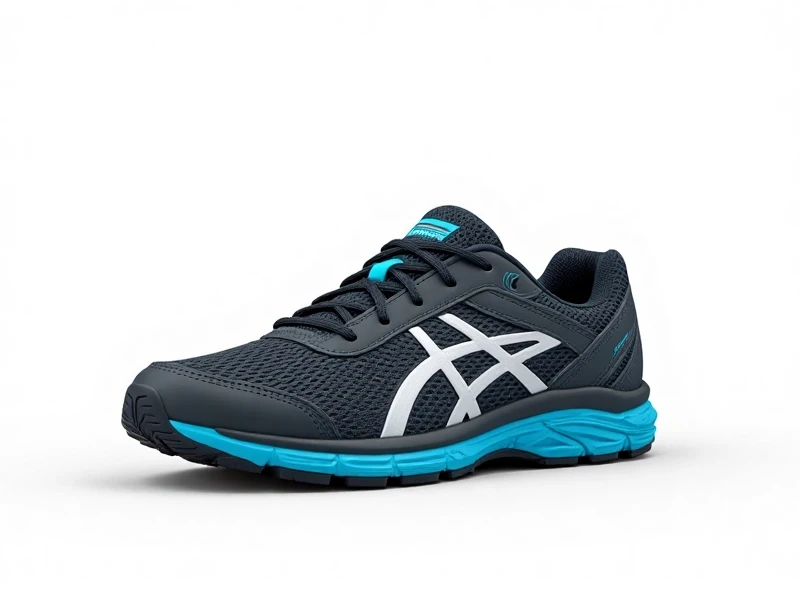
Finding Your Perfect Pair: The Ultimate Guide to Men's Running Shoes
Choosing the right pair of men's running shoes is more than just picking a color you like. It's about finding the essential tool that supports every mile, protects your feet, and enhances your running experience, whether you're a seasoned marathoner pounding the pavement for hours or a newcomer establishing a healthy routine. Selecting the wrong shoe can lead to discomfort, reduced performance, and even injury. But how do you navigate the vast world of performance trainers to find your ideal match?
The foundation lies in understanding your unique running mechanics, commonly referred to as your gait. Most specialty running stores offer gait analysis – a process where experts observe your stride, foot strike pattern, and pronation (how your foot rolls inward upon landing). Knowing whether you have neutral pronation, overpronation, or supination (underpronation) is crucial. Men's running shoes are specifically engineered to address these different biomechanics.
- Neutral Cushioned: Designed for runners with efficient, neutral strides needing primarily cushioning and flexibility.
- Stability: Feature supportive technologies (like medial posts or dual-density foam) to gently correct moderate overpronation.
- Motion Control: Offer the highest level of support and rigidity for severe overpronation, often heavier but providing maximum control.
- Maximal Cushioning: Prioritize plush, shock-absorbing materials for long distances or runners desiring a softer feel.
- Trail Runners: Enhance grip, protection, and durability with aggressive lugs and tougher uppers suitable for dirt paths and uneven ground.
Beyond gait, consider the distance you typically run and your personal comfort preferences:
- Cushioning: Do you prefer a soft, pillowy landing or a firmer, more responsive feel?
- Weight: Lighter shoes promote speed often with slightly less cushioning (great for racing or speedwork), while heavier shoes offer more protection for long distances.
- Fit: This is paramount. Your men's running shoes should feel snug but not tight, with about a thumbnail's width of space beyond your longest toe. Ensure adequate width, particularly across the forefoot. Always try shoes on wearing the socks you plan to run in.
- Drop (Heel-to-Toe Offset): Measured in millimeters, this is the difference between sole height at heel and toe. Traditional shoes (~8-12mm) can encourage heel striking, while lower drops (0-6mm) may promote a midfoot or forefoot strike – transitioning to low drop requires care to avoid injury.
Top brands like Nike (e.g., Pegasus for neutral runners, Infinity Run series for maximum cushion), adidas (Ultraboost for responsive comfort, Solarboost for stability), New Balance (Fresh Foam X series for plush cushioning), Brooks (Ghost for neutral, Adrenaline GTS for stability), and ASICS (Gel-Nimbus for cushioning, Gel-Kayano for support) continuously innovate in men's running footwear.
Finding the perfect men's running shoes is an investment in your health, performance, and running enjoyment. Understand your gait, prioritize comfort and fit, and match the shoe's features to your running style. Visit a reputable running store for expert advice and gait analysis. When you find that pair that disappears underfoot, letting you focus purely on the run and the road ahead, you'll know the effort was worth it.